
What to Look for in an Experienced Eastern Suburbs Tattoo Artist
Below are the specific things that separate a genuinely experienced artist from someone who is simply good at marketing.
What should their portfolio prove beyond “good linework”?
A strong portfolio from an Eastern Suburbs tattoo artist should show consistency, not just one or two standout pieces. They should have clear examples of healed tattoos, varied skin tones, and multiple angles of the same work.
It also helps if they show repeatable strengths in their niche, like fine line, realism, traditional, or Japanese. If their best work jumps wildly between styles with no clear “home base,” experience may be thinner than it looks.
Do they show healed results, and why does that matter?
Healed photos are one of the clearest indicators of real-world skill. Fresh tattoos can look sharp in perfect lighting, but healing reveals how well the artist controlled depth, saturation, and trauma to the skin.
An experienced artist will usually have a healed highlight, a few healed comparison posts, or at least examples available on request. If they avoid healed work entirely, it is reasonable to ask why.
How can they be judged on consultation quality?
They should ask questions that protect the outcome, like placement, lifestyle, sun exposure, job constraints, and whether the client has existing scars or older ink nearby. They should also explain what will and will not translate well as a tattoo.
A good consultation feels collaborative but guided. They should be comfortable recommending changes to size, detail, or placement to make the tattoo age better, even if it means talking someone out of their first idea.
What does a professional studio setup look like in practice?
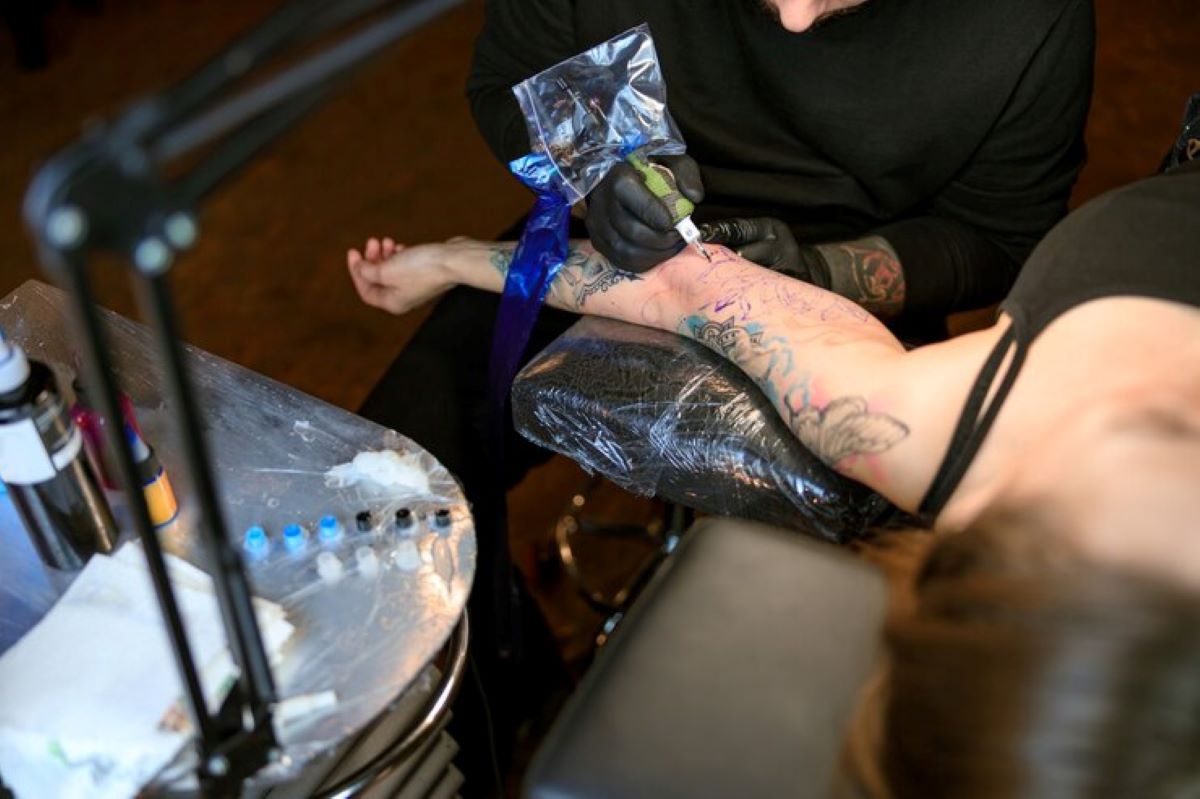
The studio should look organised, not “pretty messy.” They should have clearly separated clean and contaminated areas, wrapped surfaces, and single-use disposables where expected.
An experienced artist will not hesitate to explain hygiene steps. If the space feels rushed, cluttered, or casual about cleanliness, that is not a small issue. It directly affects infection risk and healing quality.
Which hygiene and safety signals should be non-negotiable?
They should use fresh needles, disposable ink caps, gloves that get changed at sensible moments, and barrier protection on touchpoints like spray bottles and machine grips. They should also provide straightforward aftercare instructions that match the tattoo style and skin needs.
They should be able to discuss allergies and sensitivities without guessing. If someone has a history of reactions, the artist should talk through patch testing or product alternatives with care.
How should they handle design originality and references?
They should be transparent about what is custom and what is reference-based. An experienced artist can take inspiration without copying, and they will usually redraw elements to fit placement, flow, and anatomy.
If a client asks for a design taken directly from another artist, a professional will often decline or propose a reworked version. That boundary is a good sign, not an inconvenience.
What should their specialty say about experience?
Experience often shows up as restraint. A specialist knows their limits and does not pretend every style is their strength.
If they focus on a few styles and the portfolio reflects that with depth, it usually means they have refined their technique over time. In areas like the Eastern Suburbs, where options are plentiful, a clear specialty can be more trustworthy than a generalist who claims to do everything equally well.
How can clients evaluate their communication and boundaries?
They should be responsive within reasonable business hours, clear about booking steps, and direct about pricing structure. They should also set boundaries around deposits, rescheduling, and lateness without making it personal.
Good communication includes saying “no” when needed. If an artist agrees to every request instantly, they may be prioritising the booking over the result.
What should pricing and deposits reveal about professionalism?
They should explain whether pricing is hourly, per piece, or by session, and what is included. Deposits should be documented and tied to a booking policy, not handled vaguely through informal messages.
A very low quote can be a red flag if it seems out of step with local standards, the complexity of the work, or the time required. Experienced artists price based on time, materials, and skill, not just competition.
What should aftercare and follow-up support include?
They should give aftercare in writing, not just a quick verbal summary. It should include washing guidance, moisturising advice, what to avoid, and what “normal healing” looks like versus a problem.
They should also explain touch-up expectations. Some studios include a touch-up window for certain styles, while others price touch-ups separately. Either is fine, as long as it is clear upfront.
Other Resources : Body piercings and tattoos
How can they be checked through reviews without being misled?
Reviews should be read for patterns, not praise. Look for repeated mentions of cleanliness, calm process, respectful communication, and how the tattoo healed months later.
It also helps to check whether the artist has long-term clients and cover-up success stories. Consistent feedback about comfort, professionalism, and healed quality usually aligns with real experience more than star ratings alone.

What is the simplest way to make the final decision?
They should feel consistent across portfolio, consultation, hygiene, and communication. When those four align, the chances of a good tattoo and a smooth experience rise sharply.
If anything feels off, there are plenty of skilled Eastern Suburbs tattoo artists available. The best choice is usually the one that proves their experience clearly, not the one that sells it the loudest.
More to Read : Tattoos Sydney Trends: Styles Locals Are Choosing in 2026
FAQs (Frequently Asked Questions)
What should I look for in an Eastern Suburbs tattoo artist’s portfolio beyond just good linework?
A strong portfolio should demonstrate consistent quality across multiple pieces, including healed tattoos on varied skin tones and multiple angles. It should highlight repeatable strengths in a specific niche, such as fine line, realism, traditional, or Japanese styles. Avoid portfolios that jump wildly between styles without a clear specialty, as this may indicate less experience.
Why are healed tattoo photos important when choosing an experienced artist?
Healed photos reveal how well the artist controlled depth, saturation, and trauma to the skin during the tattooing process. Fresh tattoos can appear sharp under perfect lighting, but only healed results truly show the quality of the work and the artist’s skill. Experienced artists typically showcase healed highlights or comparisons and are willing to provide them upon request.
How can I assess the quality of a tattoo consultation with an Eastern Suburbs artist?
A professional consultation involves the artist asking detailed questions about placement, lifestyle, sun exposure, job constraints, and any existing scars or older tattoos nearby. They should explain what designs will or won’t translate well into tattoos and offer collaborative yet guided advice, including recommending changes to size or placement to ensure longevity and satisfaction with the tattoo.
What hygiene and safety standards should I expect from a professional tattoo studio?
The studio should be organized with clearly separated clean and contaminated areas, wrapped surfaces, and use single-use disposables where appropriate. The artist should use fresh needles, disposable ink caps, change gloves at sensible moments, and apply barrier protection on touchpoints like spray bottles and machine grips. They should also provide clear aftercare instructions tailored to your tattoo style and skin needs.
How do experienced Eastern Suburbs tattoo artists handle design originality and references?
Experienced artists are transparent about what is custom versus reference-based. They take inspiration without copying by redrawing elements to fit your placement, flow, and anatomy. If you request a design directly copied from another artist’s work, a professional will often decline or propose a reworked version to respect originality boundaries.
What factors indicate professionalism regarding pricing, deposits, and aftercare in tattoo studios?
Professional artists clearly explain their pricing structure—whether hourly, per piece, or by session—and what is included. Deposits should be documented with clear booking policies rather than informal messages. Aftercare guidance should be provided in writing with detailed instructions on washing, moisturizing, avoiding certain activities, recognizing normal healing versus complications, and information about touch-up policies upfront.